Place guide · 東京
Sensō-ji
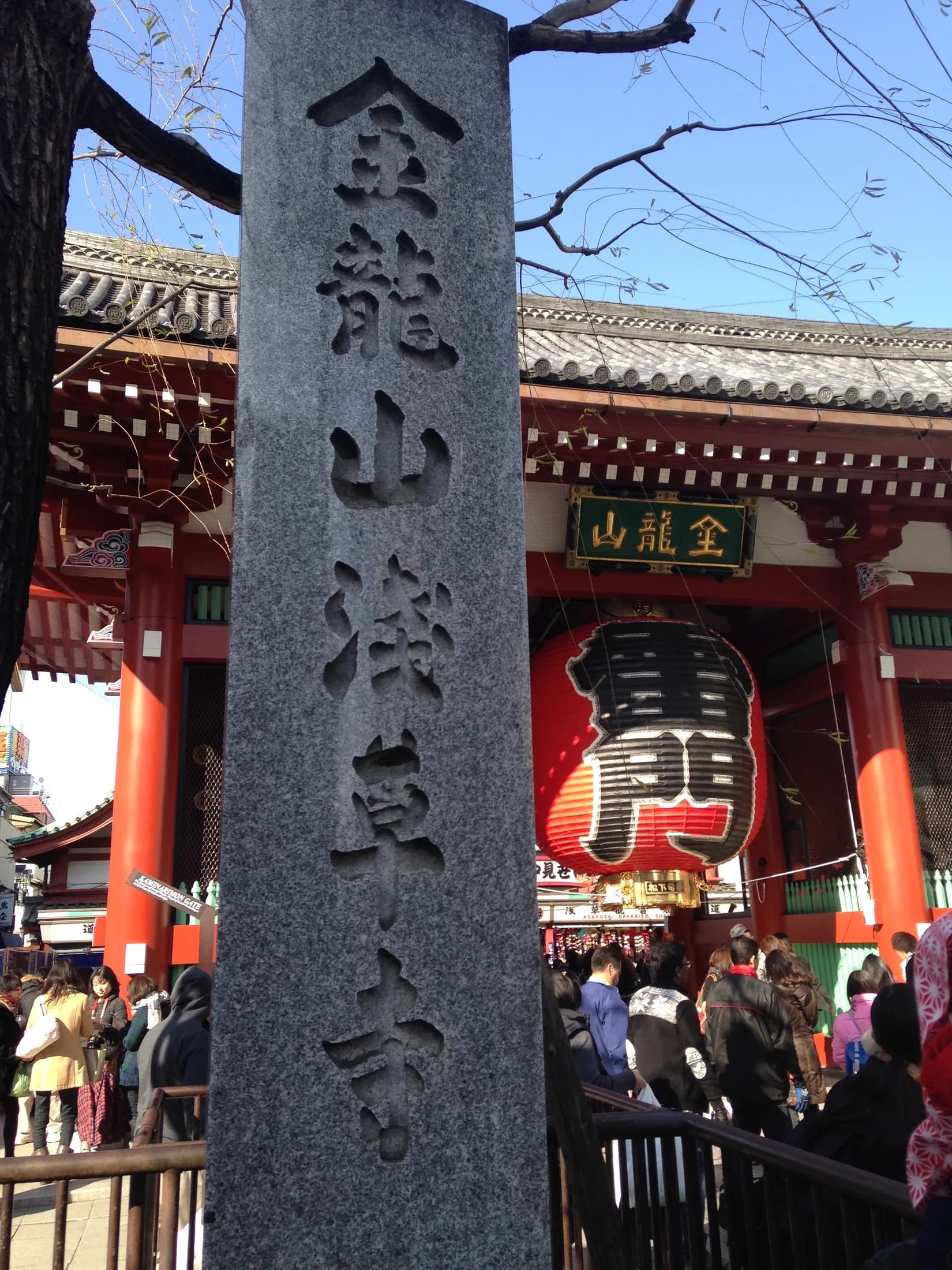
浅草寺Tokyo's oldest temple, anchored by the vermilion Kaminarimon gate and a long, lantern-lit approach that still leads the surrounding neighbourhood.
Report an issue
The public correction queue is not connected yet. Until it is, official source links remain visible so changing details can be checked without pretending a report was received.
A closer look
The walk from Kaminarimon through Nakamise-dōri to the main hall is less a route than a stage: every few metres the crowd thins and the wooden buildings, paper lanterns and faint incense smoke re-anchor the place in something older than the metropolis outside.
On a clear morning the five-storey pagoda catches low light at the south end of the precinct; stone lanterns line the path between the gate and the hall, and the small side streets of Asakusa are visible in every gap between buildings.
Open
- Late in the day the temple is still active: visitors light incense at the large bronze cauldron, monks and staff pass between the inner buildings, and the surrounding neighbourhood keeps a slower rhythm than the rest of the city.
- It is the oldest recorded Buddhist temple in Tokyo, with the temple's own tradition placing its foundation in the year 645 CE.
- The vermilion Kaminarimon gate with its giant paper lantern, the covered shopping street Nakamise-dōri, the main hall and the five-storey pagoda form one of the most legible traditional ensembles in the city.
- It sits at the centre of a living neighbourhood: stalls, festival floats, Sumida River fireworks and seasonal events keep the calendar busy all year.
Before you go
Current details checked July 2026
- Best season
- Late March to early May for cherry blossom and early festivals; late October to November for autumn colour and a calmer atmosphere than cherry-blossom peak.
Specific festival dates — including Sanja Matsuri in May and the Hōzuki Market in July — vary year to year and should be confirmed before travel.
Editorial guidance - Before you go 1
- Photography is allowed in the outer grounds; inside the main hall and the pagoda interior, follow the signs and any staff instruction.Editorial guidance
- Before you go 2
- There is no admission fee for the outer temple, but the main hall's inner sanctuary is reserved for worship. Approach quietly near active ceremonies.Editorial guidance
- Before you go 3
- Weekends and festival days are crowded. Early morning or the last hour before closing are noticeably quieter.Editorial guidance
- Before you go 4
- Dress respectfully. Covered shoulders are appreciated if you intend to step onto temple precincts where worshippers are present.Editorial guidance
Travel images, with their sources
This source-checked Wikimedia Commons image is shown with its author and reusable licence.
Source checked 2026-07-29 · CC BY-SA 3.0
This source-checked Wikimedia Commons image is shown with its author and reusable licence.
Official sourceShare one careful record
Choose one to six original images from this place. Nothing is published automatically; every record needs rights and place review.
Practical notes
Note 1
Outer precinct roughly open from around 06:00 until late evening; the main hall interior and the pagoda interior keep their own hours.
Note 2
Closest stations: Asakusa on the Tokyo Metro Ginza Line, Toei Asakusa Line, and the Tobu Skytree Line; Tsukuba Express Asakusa is also a short walk.
Note 3
Specific 2026 Sanja Matsuri and Hōzuki Market dates were not pinned in this batch and need reviewer confirmation.
Note 4
The temple participates in neighbourhood festivals; visit outside festival week if you prefer a quieter approach.